
Jump to a section
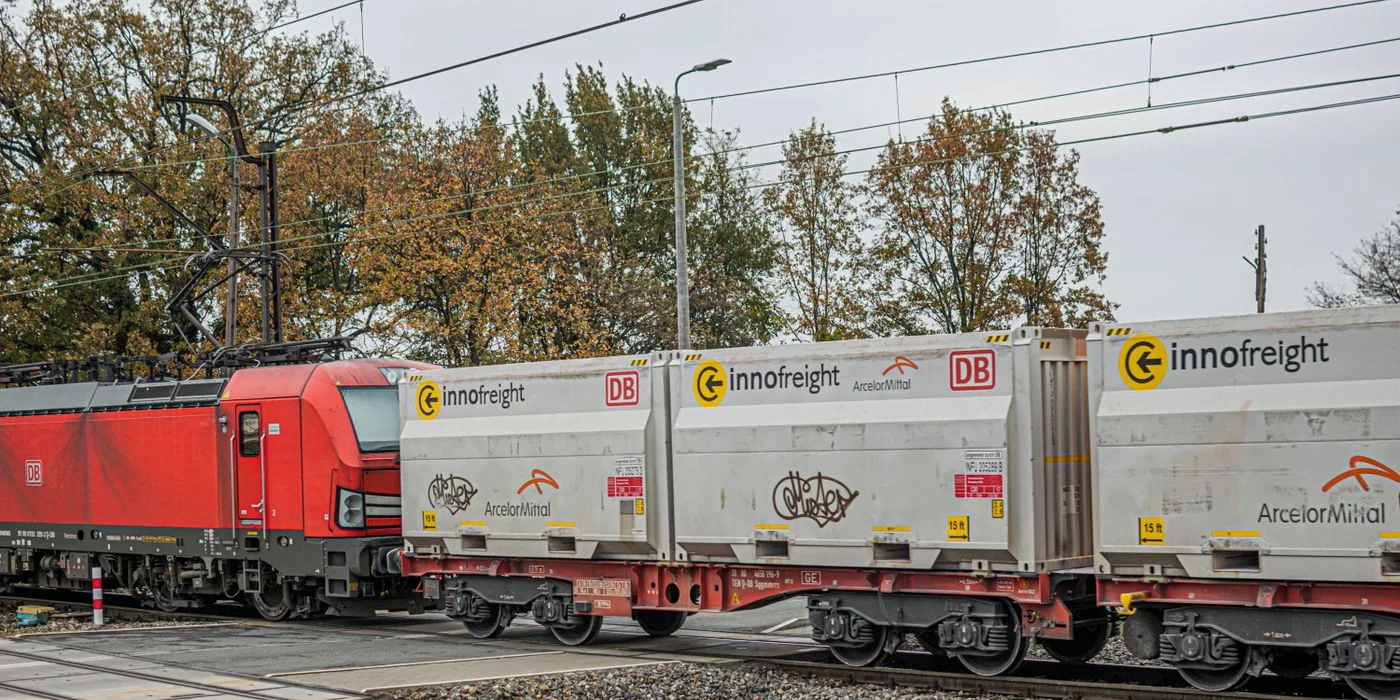
A trunk vehicle carries freight for three customers before local vehicles complete the last mile. The carrier bills the trunk movement once. To understand each service’s contribution, the freight accountant needs an allocation basis that reflects the shared resource and can be repeated when a late invoice arrives.
Choose a basis before comparing margins
Consider pallet positions, chargeable weight or another measure consistent with the movement and the carrier agreement. Keep charges incurred for one customer, such as a dedicated delivery or a special appointment, against that customer’s shipment. Record the trunk reference and the units used for the spread.
Reconcile the shared cost
If three consignments use two, three and five of ten pallet positions on a 1,000 trunk movement, their shares on that basis are 200, 300 and 500. The allocations add back to the invoice. If the last shipment later incurs a 70 redelivery charge, attach it directly to that shipment. The commercial team can now examine the trunk economics and the exceptional service cost as separate decisions.
More to discover in Numerish.
Explore related insights and practical enterprise workflows.