
Bank transfer reconciliation when the two sides post on different days
Match both bank statements and the transfer reference across a reporting boundary to distinguish cash in transit from a duplicate payment.
Fresh thinking for a connected enterprise. Practical perspectives on the people, processes and technology moving business forward.
Explore the insightsFinance. Operations. Industry. Connected.
Perspectives from Numerish
Explore the journal
21 published articles
Search across the Numerish journal or choose a business sector that matters to you.
Match both bank statements and the transfer reference across a reporting boundary to distinguish cash in transit from a duplicate payment.

Separate volume and unit-price effects with a worked purchasing example and explain which operating owner can investigate each change.

Separate timing, amount and missing-item differences in a cash forecast, using actual receipts and payments to improve the next weekly view.

Map local ledger accounts to group reporting lines with effective dates, exception ownership and tests for newly created accounts.

Identify overpayments, unapplied credits and misallocations before using a net receivables balance to prioritise collections.

Compare supplier identity, invoice reference variants, amounts and delivery evidence before approving a suspected duplicate for payment.

Give a backup reviewer the period, source reports, open exceptions and decision history needed to continue an account reconciliation during leave.

Trace an asset from its releasing custodian to its receiving location and reconcile the transfer with the register and management reporting.

Investigate unmatched receipts by purchase order line, service date and invoice status before closing the goods-received-not-invoiced schedule.
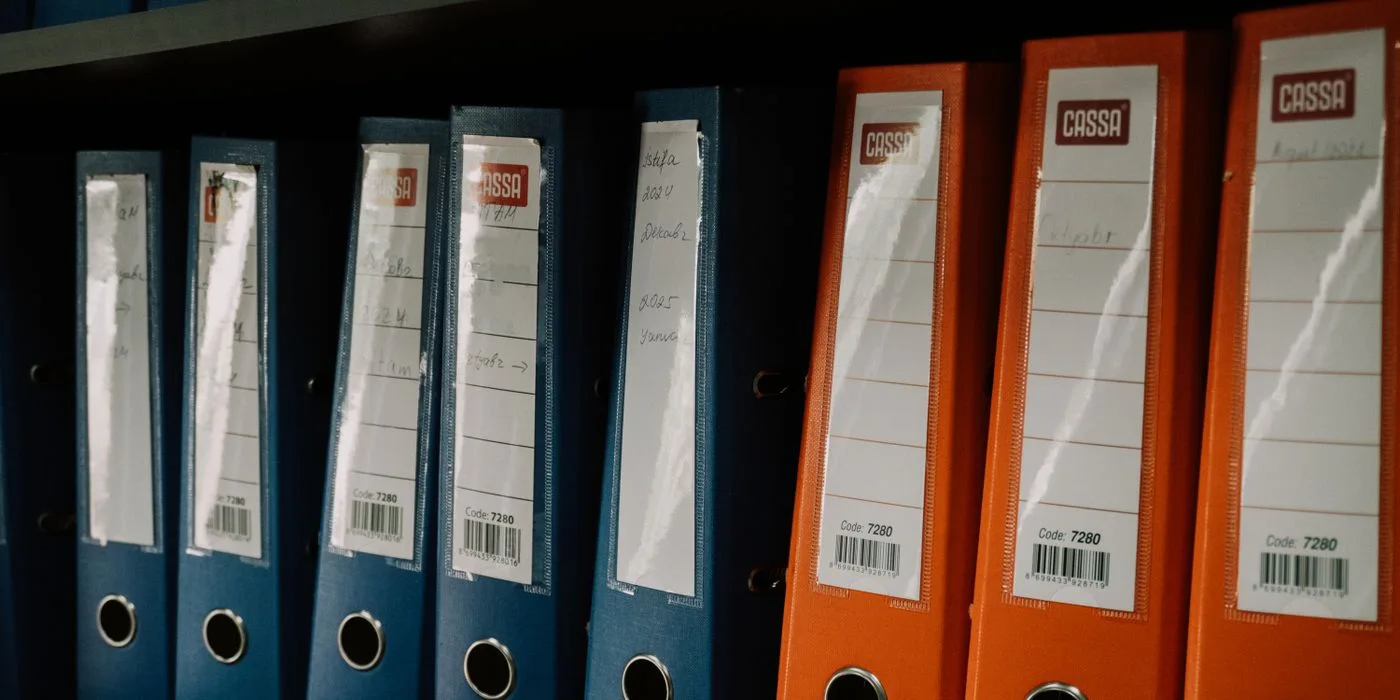
Build a reviewable close file that links the ledger balance, supporting schedule, open exceptions and sign-off to one period and entity.

Link an estimate to its service period and final invoice, then explain the difference so a recurring accrual does not count the same cost twice.

Pair receivables and payables by entity, reference, currency and period before investigating timing differences or preparing eliminations.

Match an approved payroll run to bank disbursements and finance postings, including rejected transfers, without exposing employee details unnecessarily.

Reconcile physical cash, supported vouchers and authorised replenishment to the approved float, with a clear path for unresolved differences.

Track the covered period, allocation basis and amendments for prepaid services, then reconcile the remaining schedule to the ledger.

Use a payout bridge from gross transactions through fees, refunds and reserves to the net deposit in the bank statement.

Compare the supplier's open items with the payable ledger to find missing credits, unrecorded invoices and payments still in transit.

Give each suspense item a source, owner and clearance event so old exceptions remain visible even when offsetting entries net to zero.

Trace the original currency, reporting amount, settlement rate and bank fees so finance can explain the difference on a foreign currency receipt.

Give a journal reviewer the business reason, affected period, calculation and source evidence needed to check a manual posting independently.

Use a four-step close checklist to reconcile branch balances, clear exceptions and review a reporting pack. See where Accounting360 supports the handoffs.
Go a little deeper
Explore the platform, understand the workflows,
and find your next step.
Explore Numerish products built to bring teams, information and workflows together.
Explore productsDiscover how ERP360 connects finance, operations and the work in between.
Discover ERP360Find guidance and documentation to help you get more from Numerish.
Browse documentationYour next chapter
See what a connected enterprise could look like for your business.