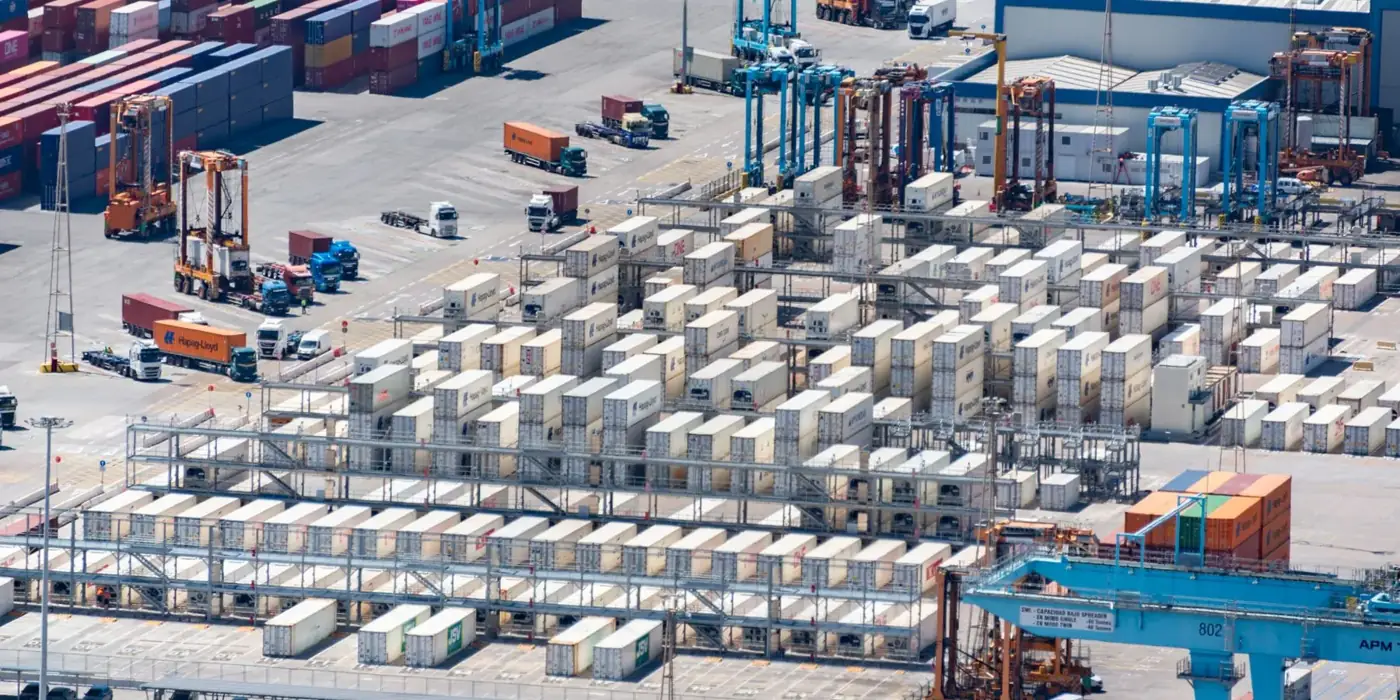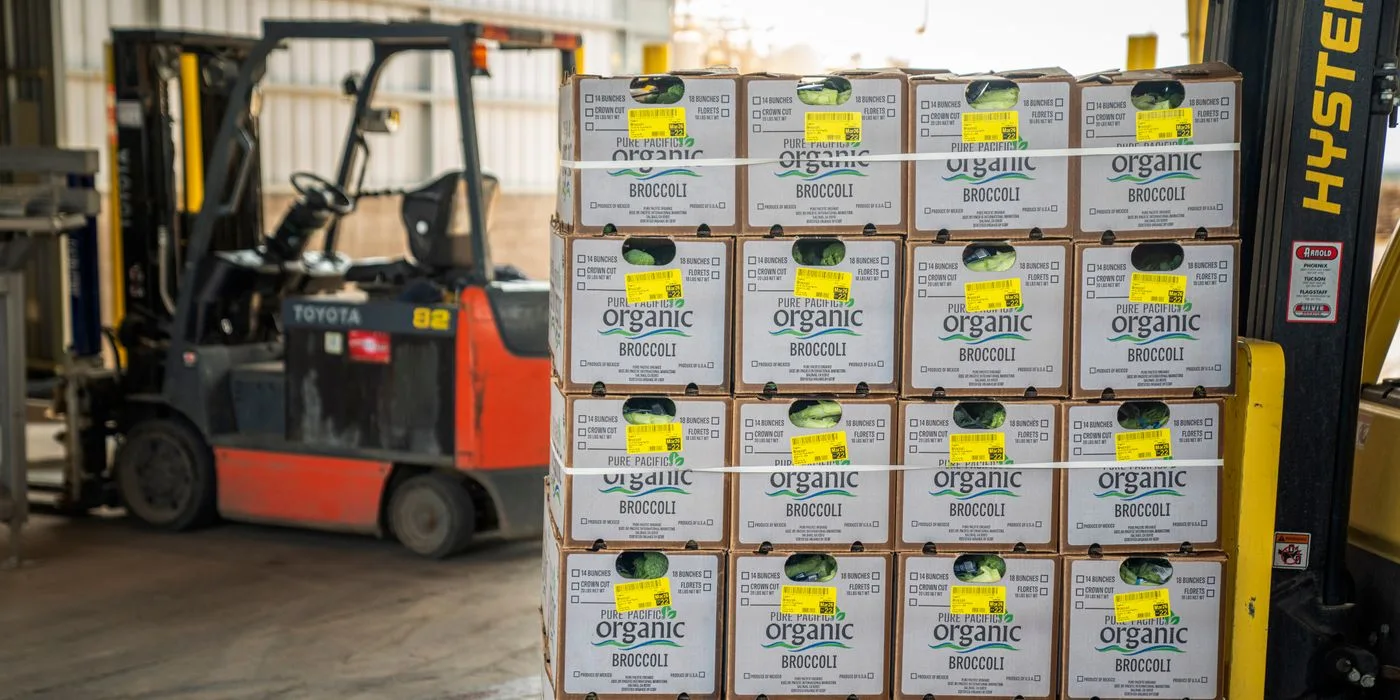
How to account for outstanding quantities during a produce withdrawal
Build a lot-by-destination reconciliation that keeps outstanding buyer quantities distinct from returned or held farm stock.
Fresh thinking for a connected enterprise. Practical perspectives on the people, processes and technology moving business forward.
Explore the insightsFinance. Operations. Industry. Connected.
Perspectives from Numerish
Explore the journal
21 published articles
Search across the Numerish journal or choose a business sector that matters to you.
Build a lot-by-destination reconciliation that keeps outstanding buyer quantities distinct from returned or held farm stock.

Use an equipment log to assign shared tractor time across field work, travel and unresolved time before closing crop costs.
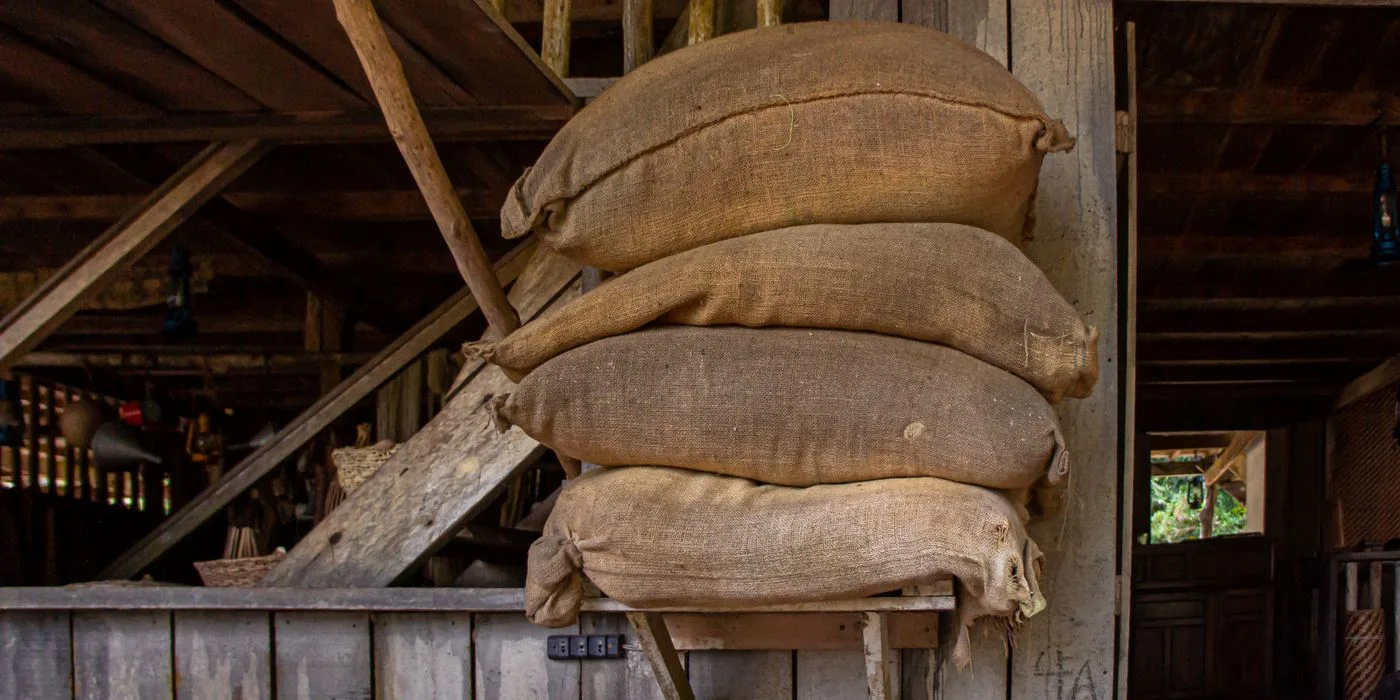
Distinguish inputs on the shelf from inputs already consumed by a crop when drawing a seasonal stock balance.
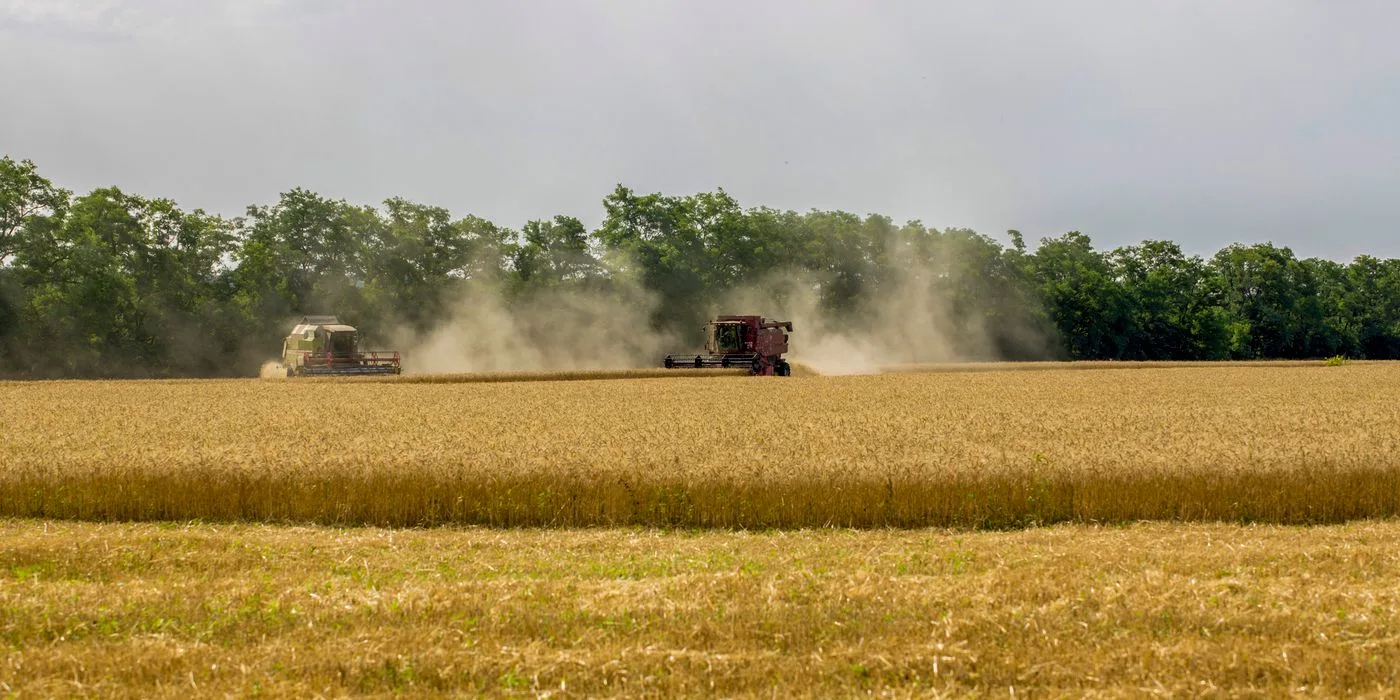
Match a contractor charge to the correct task, measured area and field before assigning the cost to the crop.
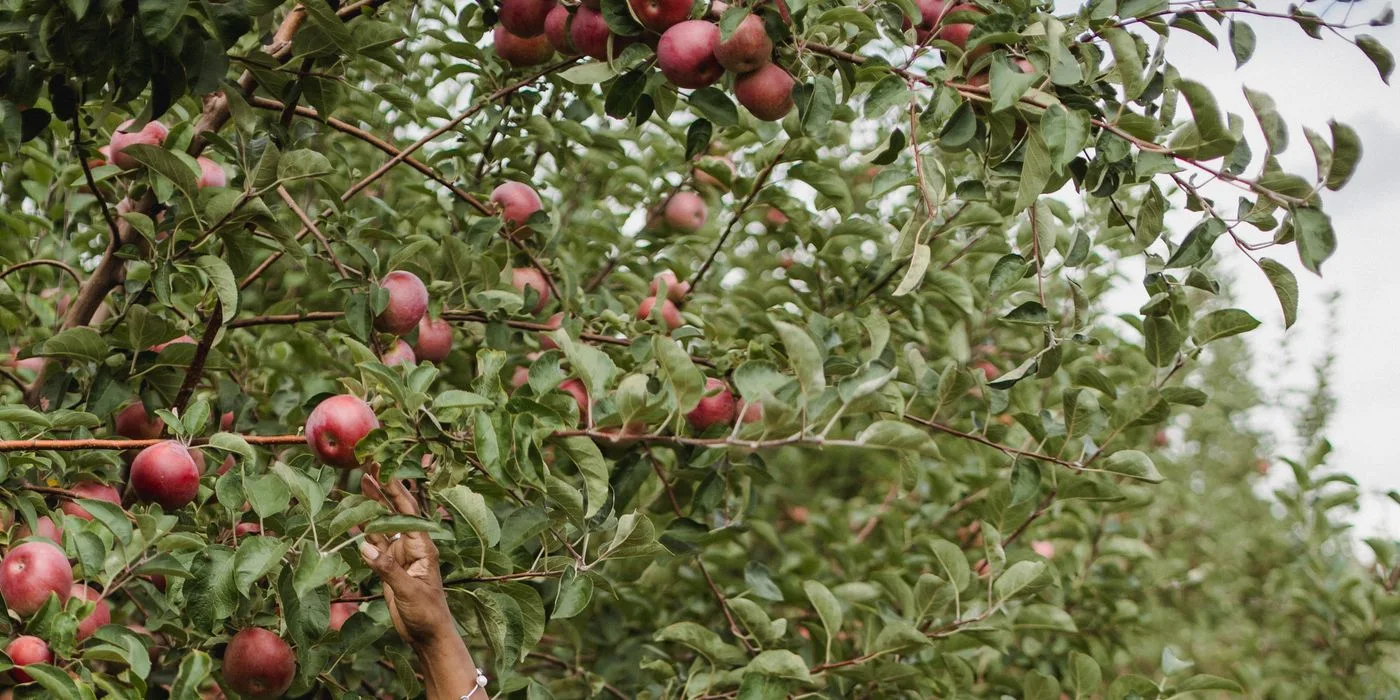
Choose harvested area or total planted area according to the question and keep partly harvested fields visible in yield reports.
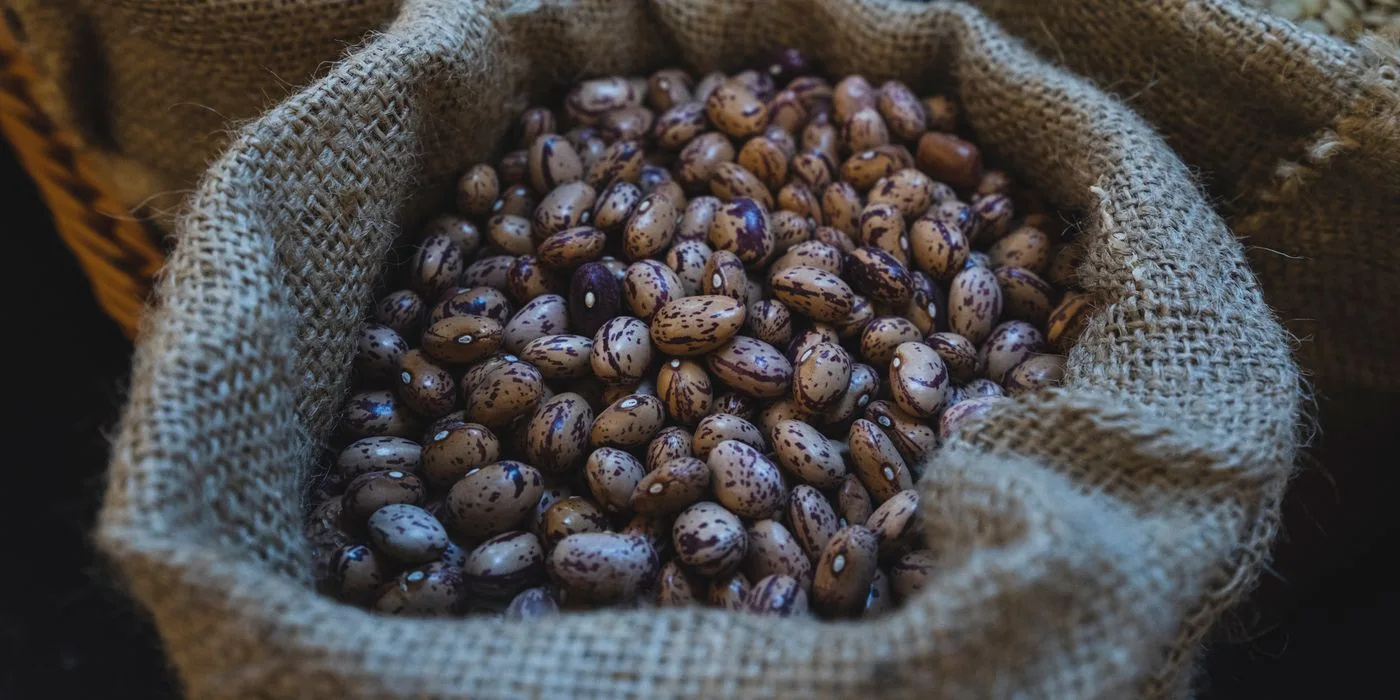
Keep seed purchases, store balances and field issues comparable when suppliers sell by the bag and field plans use kilograms.
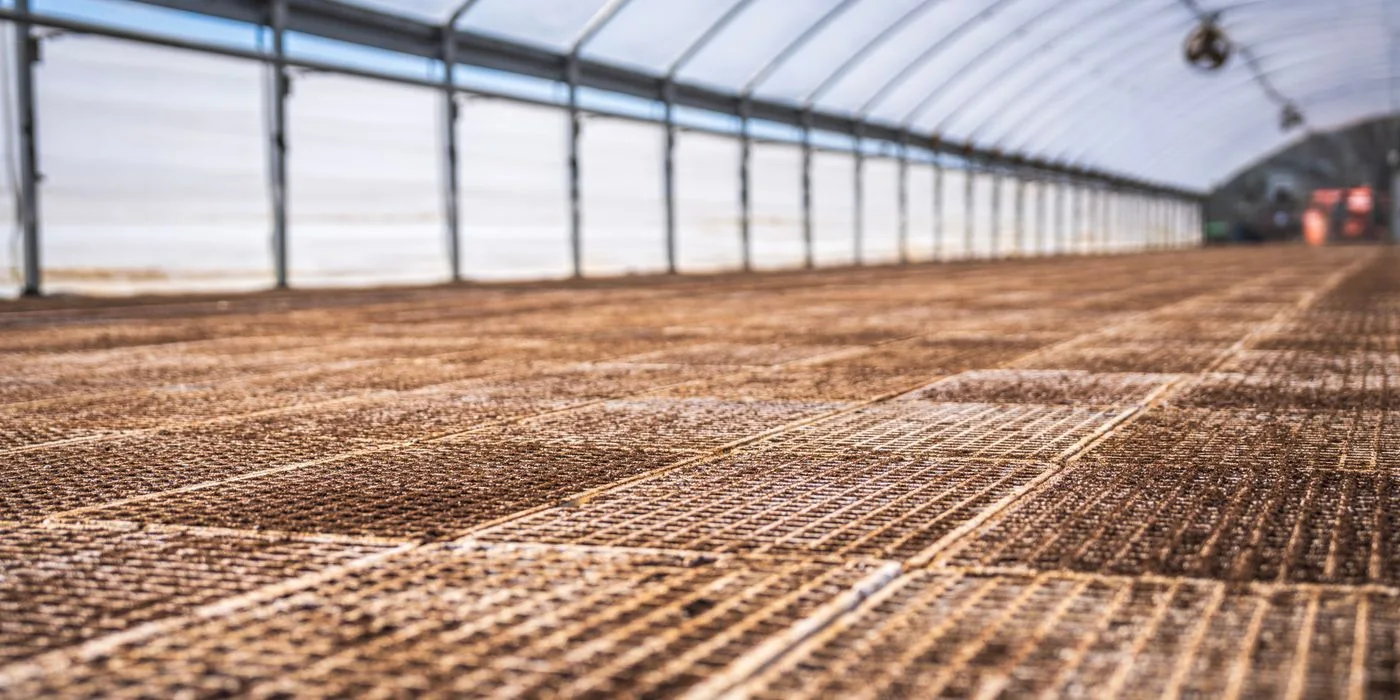
Set a count cutoff and reconcile authorised movements so an active farm store can investigate genuine differences.
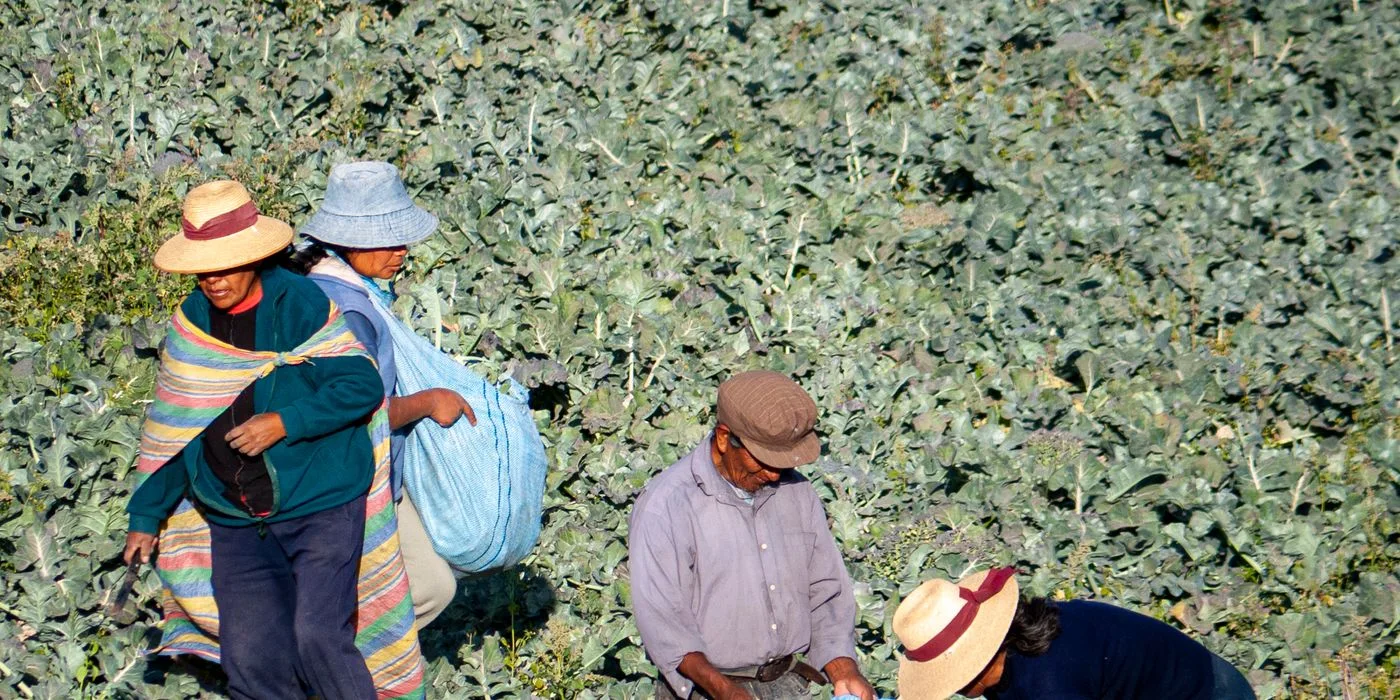
Separate time spent picking, sorting and waiting so a farm can interpret labour per unit of harvest correctly.
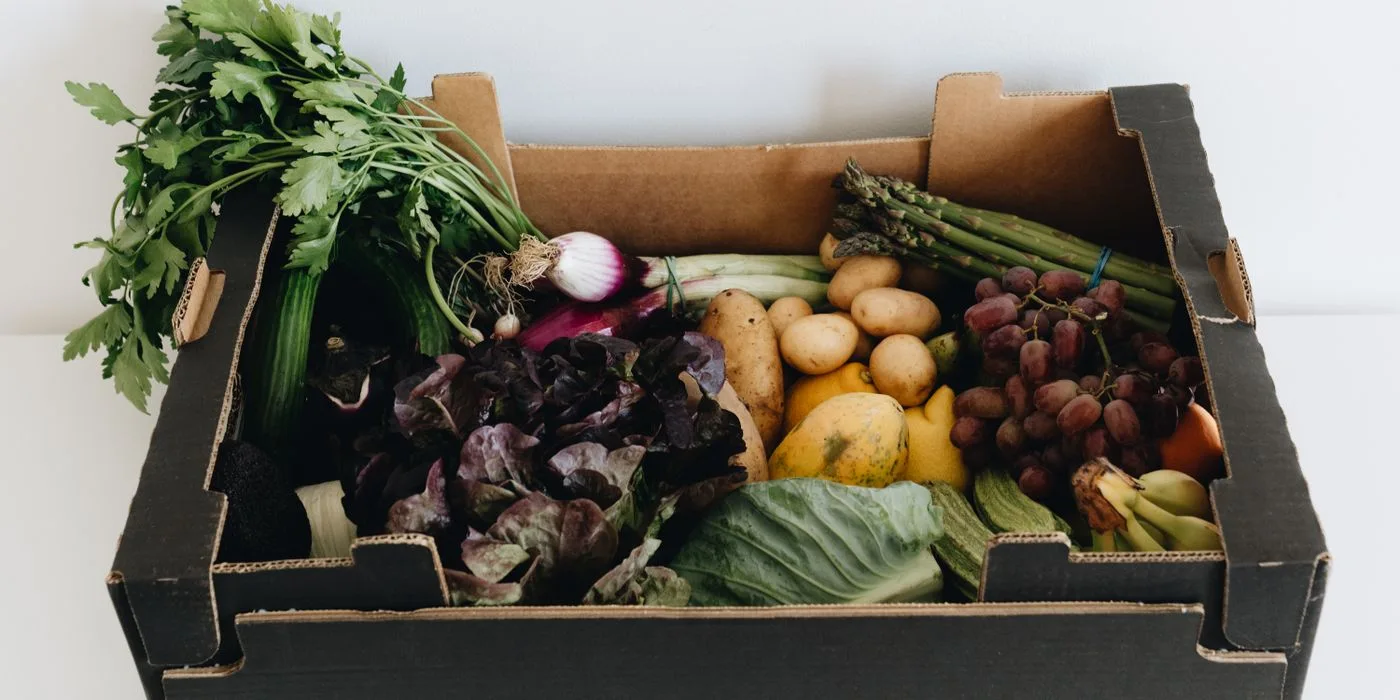
Reconcile cartons issued, returned, damaged and filled before estimating packaging needs for the next farm dispatch.
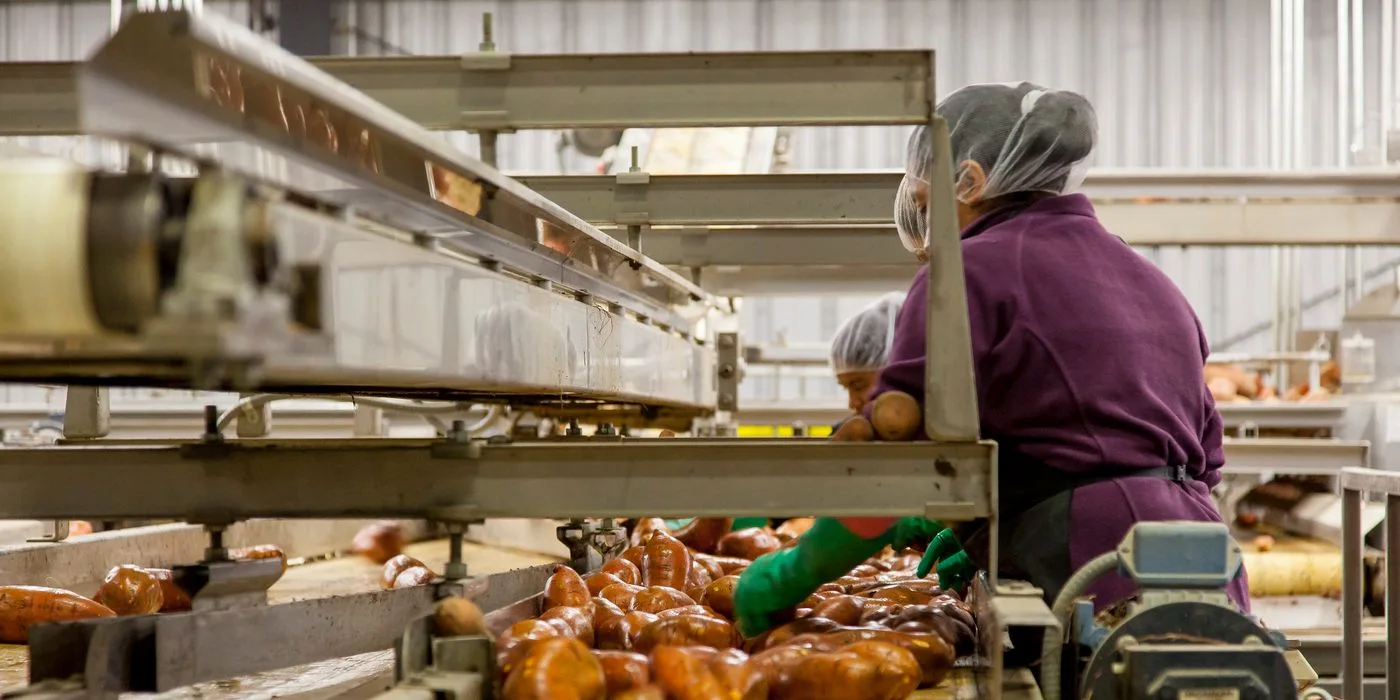
Record each contributing field lot and its quantity when produce from several fields is combined into a packed lot.

Turn a list of open field activities into a workable dispatch decision using prerequisites, crews and equipment availability.
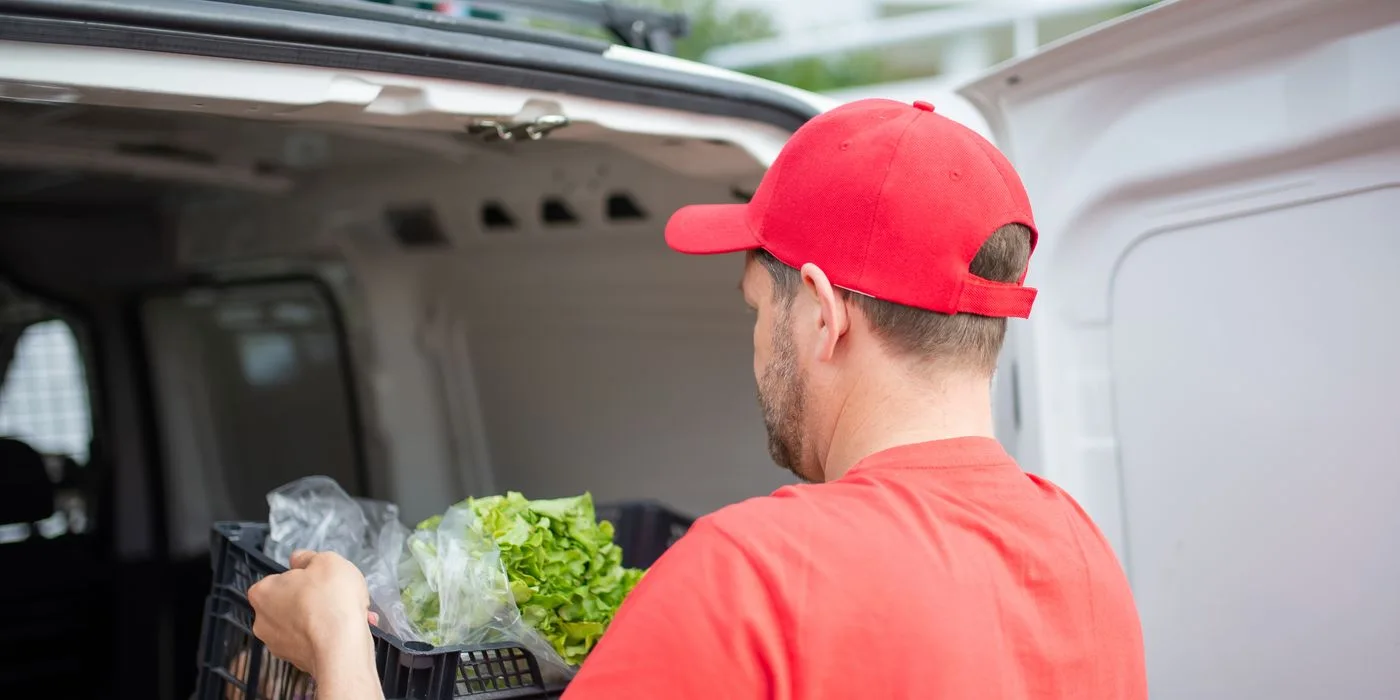
Separate forecast harvest, held produce and dispatch-ready cartons before committing an order quantity to a buyer.
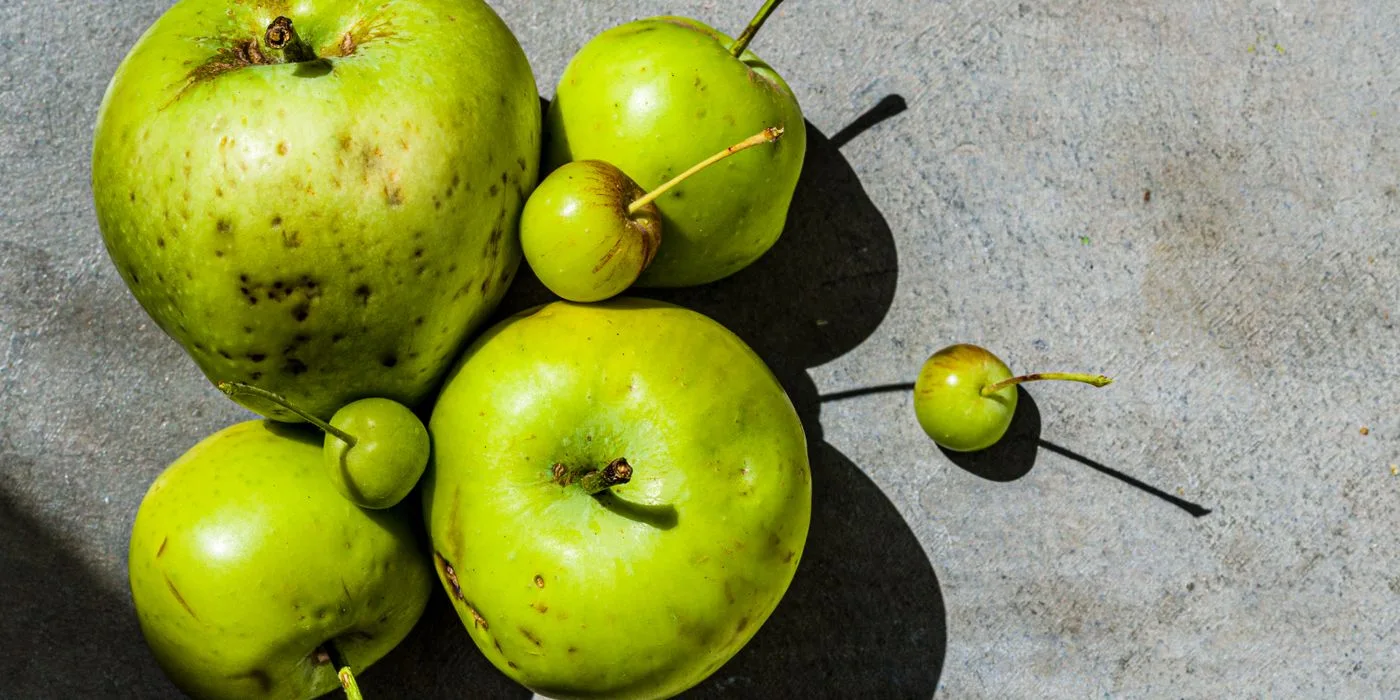
Trace returned cartons, the buyer's claim and the agreed credit as separate quantities so stock and finance remain aligned.
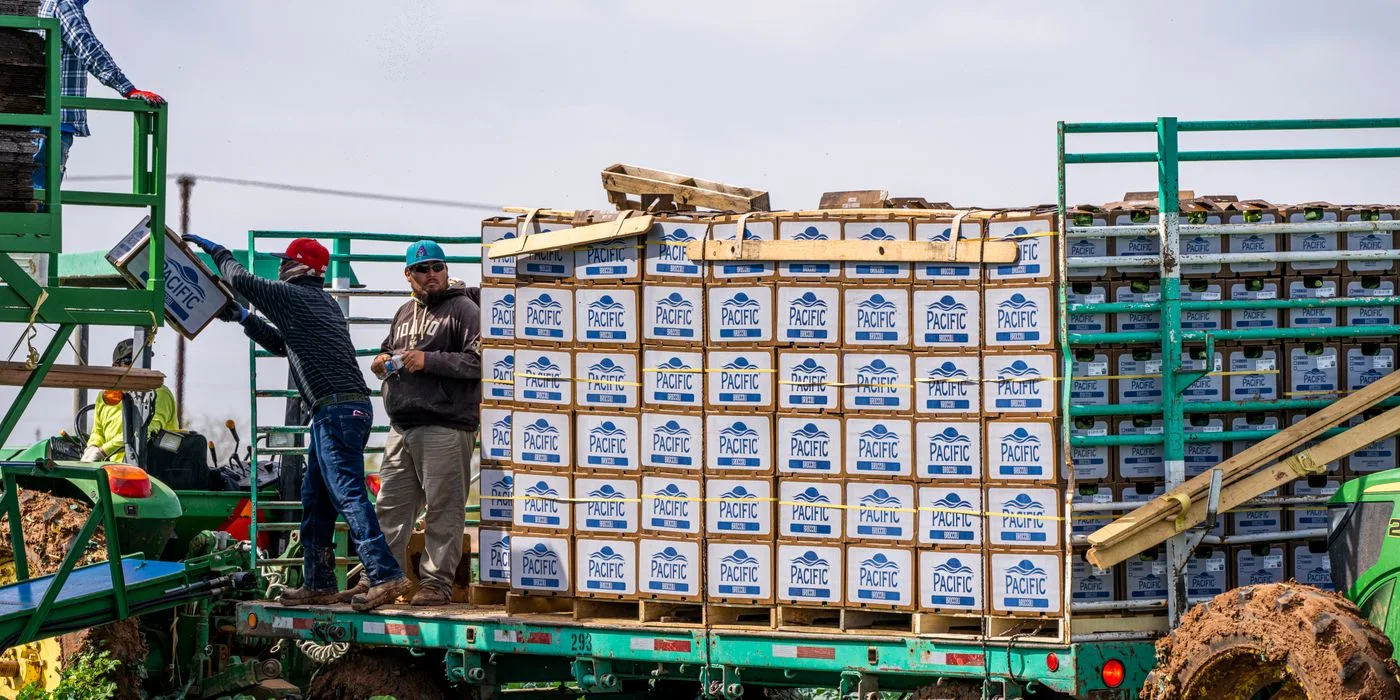
Match dispatch and intake records by trip and lot to find missing bins, timing differences and genuine weight discrepancies.
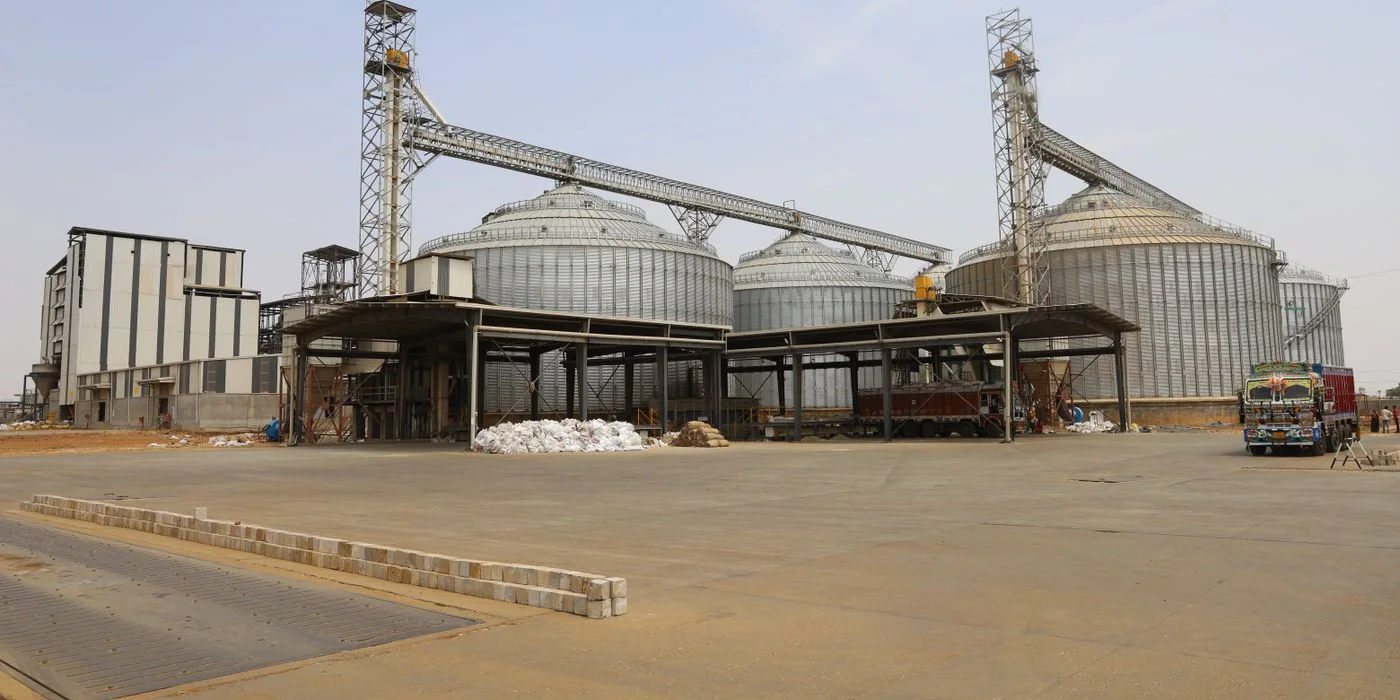
Check vehicle identity, tare and receipt references before transferring a weighbridge quantity into a harvest lot.
Treat regrading as a movement between stock grades and explain changes in saleable quantities to sales and finance.
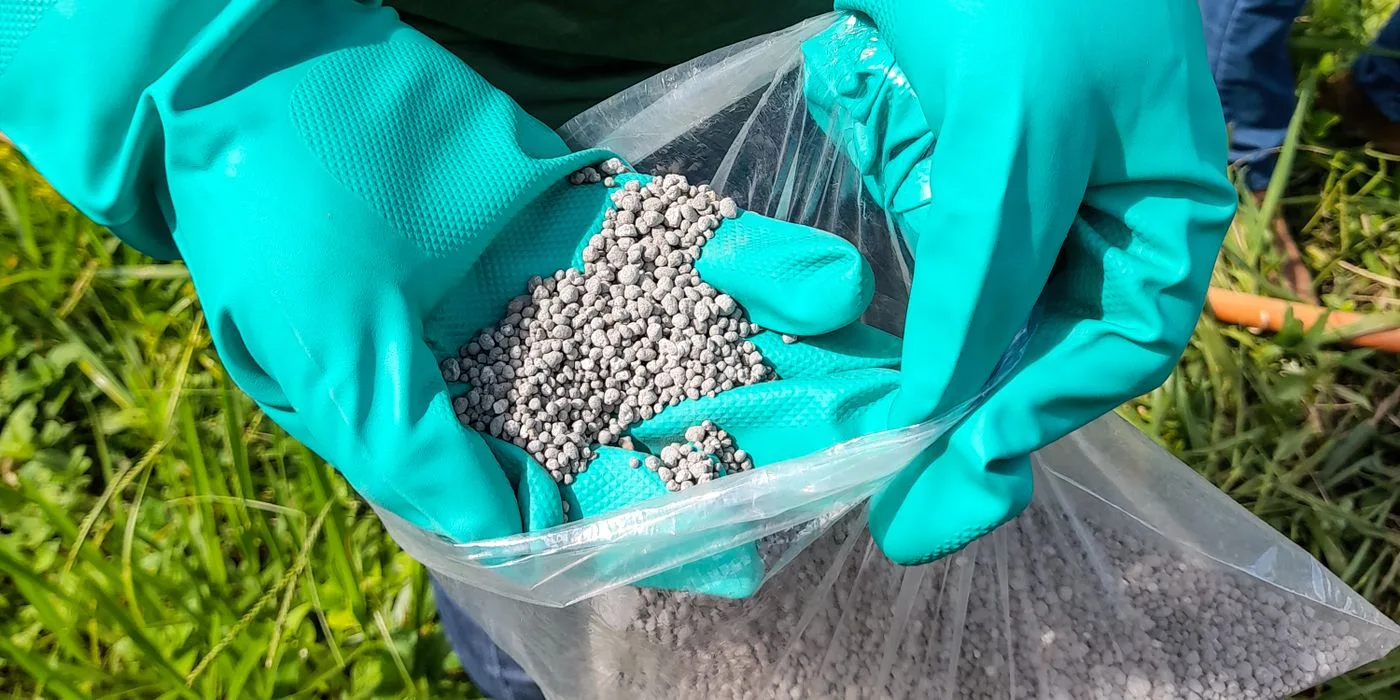
Trace an unused input from the field back to stores while preserving the original lot, quantity and season charge.
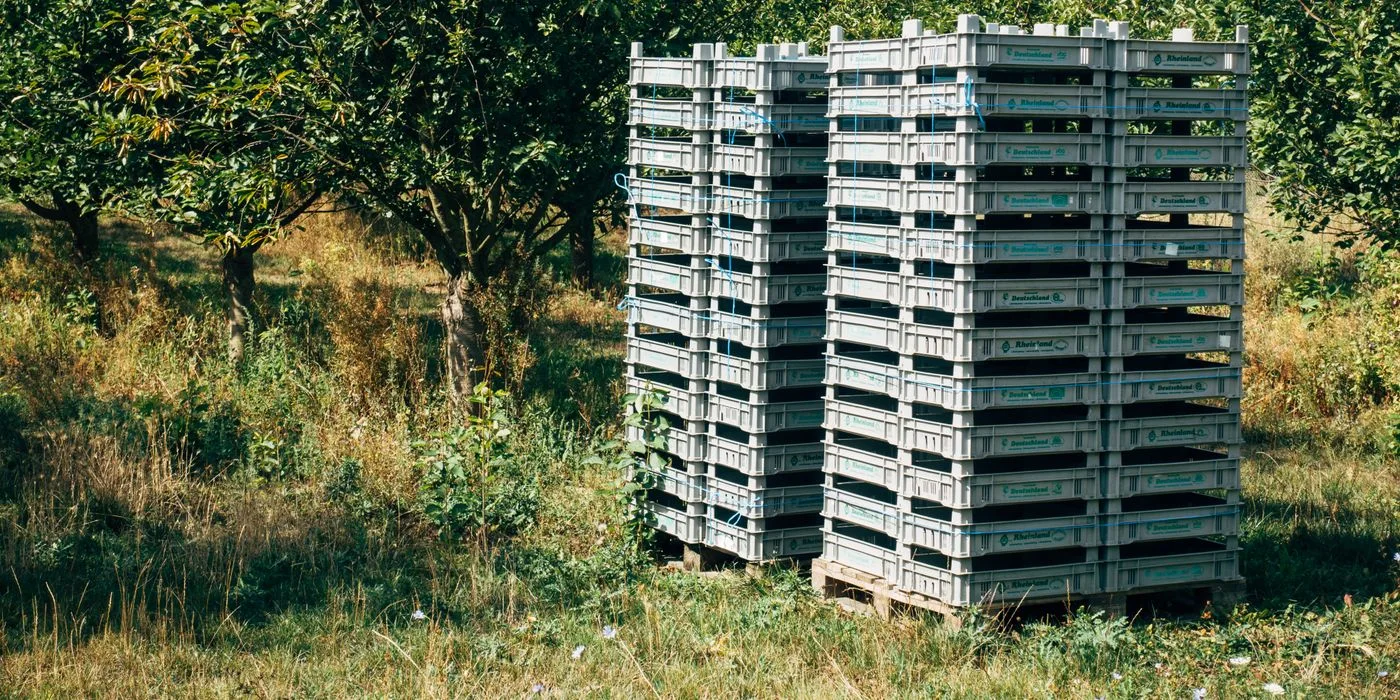
Estimate reusable bin needs from dispatch rate and time out of circulation, then test the estimate against actual field and packhouse movements.
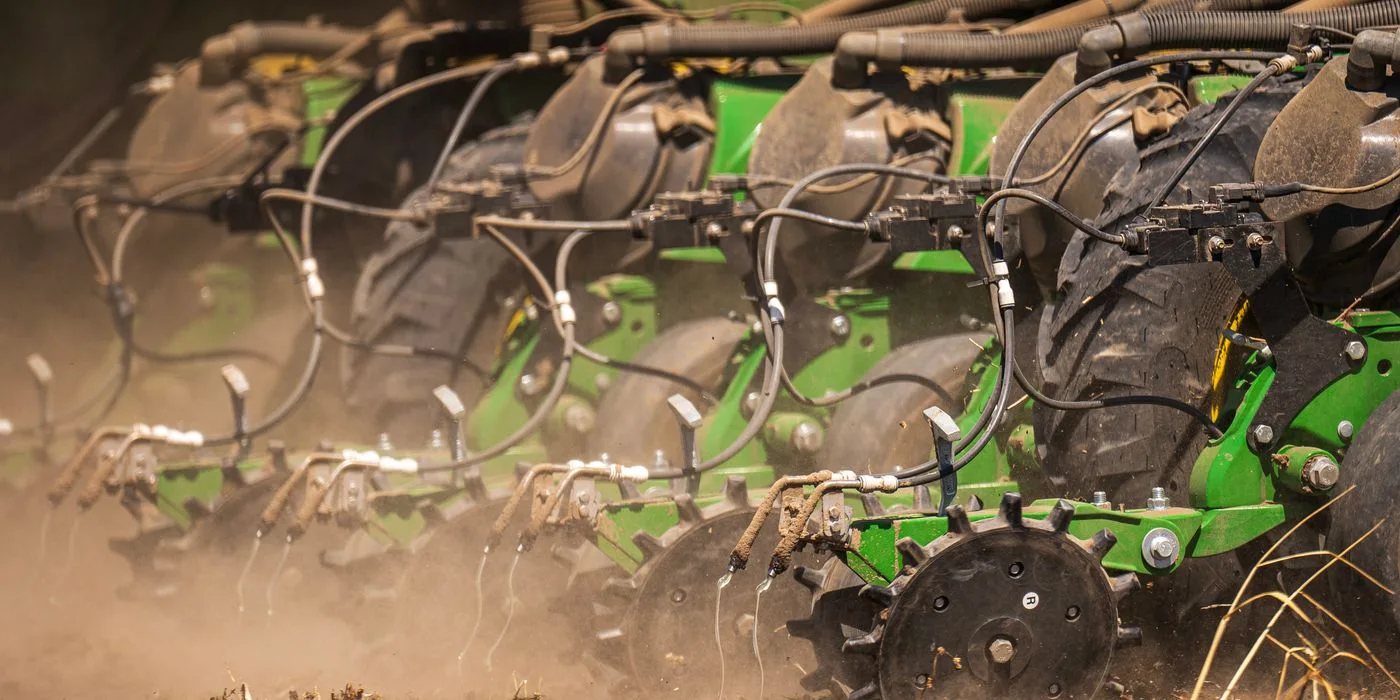
Build a field allocation for a single seed lot that preserves both supplier traceability and the unissued store balance.
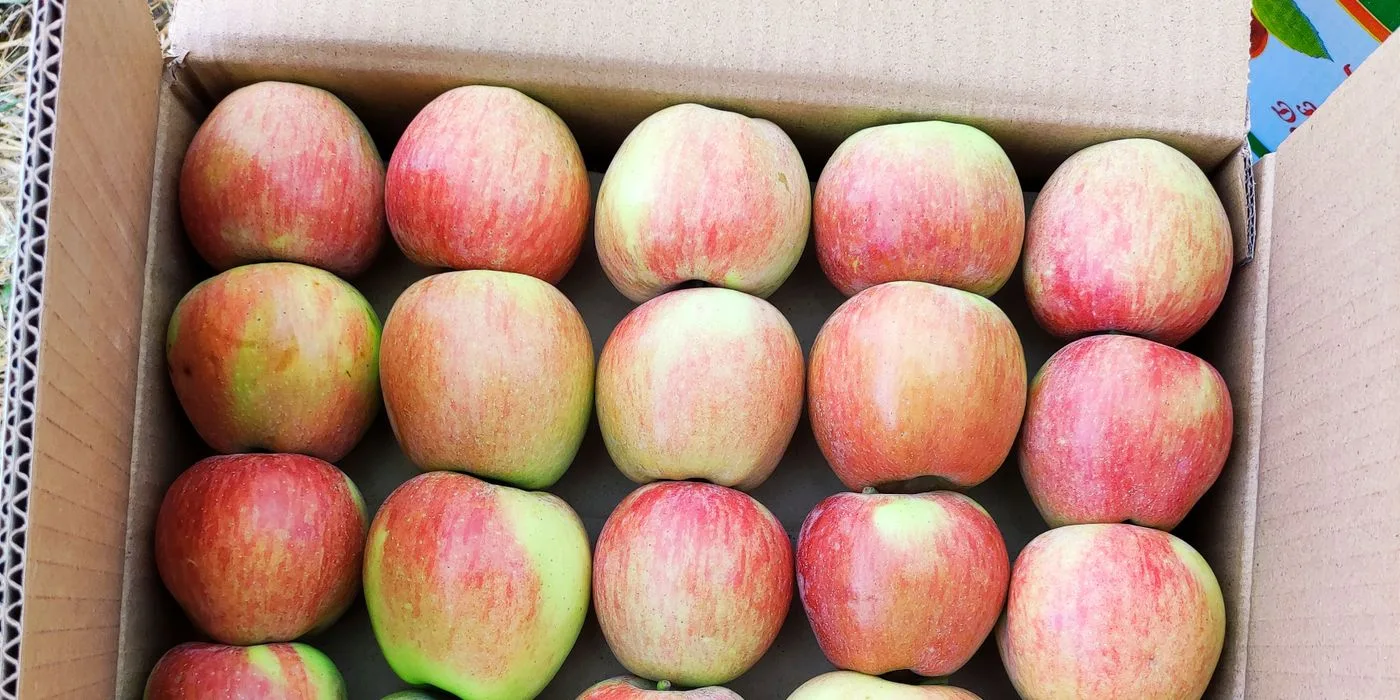
Preserve the relationship between a field lot and its packed child lots when one harvest goes through several packing runs.
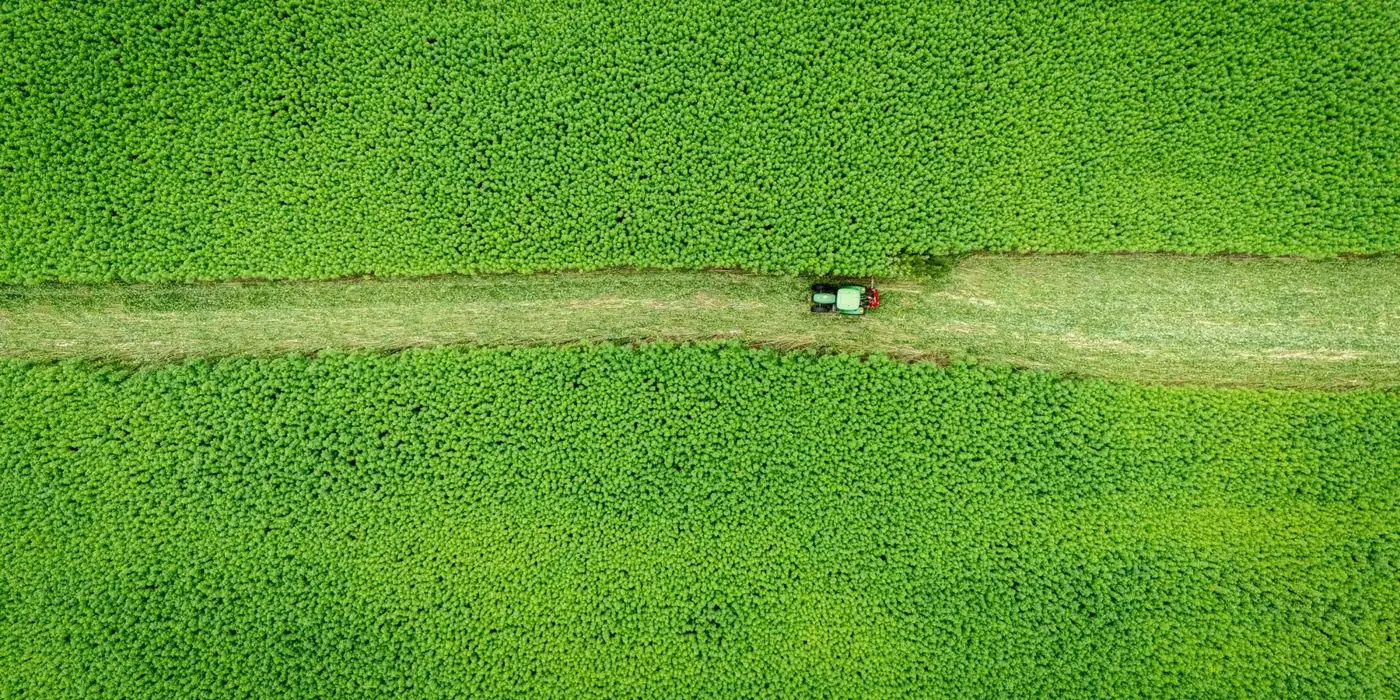
Compare fields using input costs, harvest weights, grading losses and saleable yield. Work through a crop-cost example and follow the field records in Farm360.
Go a little deeper
Explore the platform, understand the workflows,
and find your next step.
Explore Numerish products built to bring teams, information and workflows together.
Explore productsDiscover how ERP360 connects finance, operations and the work in between.
Discover ERP360Find guidance and documentation to help you get more from Numerish.
Browse documentationYour next chapter
See what a connected enterprise could look like for your business.