
A Claims Operations Checklist for Changed Payee Details
Record and independently review a beneficiary change on an insurance claim before it reaches an authorised payment instruction.
Fresh thinking for a connected enterprise. Practical perspectives on the people, processes and technology moving business forward.
Explore the insightsFinance. Operations. Industry. Connected.
Perspectives from Numerish
Explore the journal
21 published articles
Search across the Numerish journal or choose a business sector that matters to you.
Record and independently review a beneficiary change on an insurance claim before it reaches an authorised payment instruction.

Keep a temporary insurance claims approval assignment tied to its scope, effective dates and outstanding packets when the regular reviewer returns.

Allocate a sudden increase in loss notifications with visible ownership, intake completeness and queue age while keeping individual claim records distinct.

Resolve uncertainty after an insurance payment submission by tracking the original reference, receiving status and authorised retry decision.

Build a claims file index that links the reported event to the policy documents and endorsements an authorised reviewer actually considered.

Give insurance claims handlers a repeatable way to review potential duplicates while preserving separate reports and legitimate distinct claims.

Reconcile the claims selected for a payment run to the instructions actually issued and give held items an explicit owner.

Keep an insurance payment return connected to the original claim and instruction through investigation, correction and confirmed resolution.

Use item references, evidence links and item-specific statuses to keep a multi-item insurance claim legible from intake through assessment.

Preserve separate event, notification and registration timestamps so insurance operations teams can interpret queues and ageing reports accurately.

Link a recorded change in an insurance claim estimate to the supporting assessment, authorisation and effective date in the claims file.

Connect a dated mandate amendment to the approved version, affected review pack and owner responsible for acknowledging the operational change.

Give claims reviewers an evidence index that preserves competing accounts, identifies the unresolved question and records who can resolve it.

Separate file age, time in the current stage and time since the last meaningful action to make claims workload reviews more useful.

Give investment operations reviewers a dated exception record for differences between internal holdings and a custodian statement.

Track item identity, custody evidence, referring claim and unresolved actions through an administrative salvage handoff.

Distinguish new correspondence from a formally reopened claim and preserve the original closure record, review decision and follow-up owner.

Turn an insurance claims authority schedule into a usable review handoff with dated evidence, a clear decision request and an escalation record.

Show what changed between two repair estimates and route the difference to the appropriate reviewer before it enters a claim decision packet.

Tie each outgoing claims communication to the exact approved decision and retain the issued version when wording or terms later change.
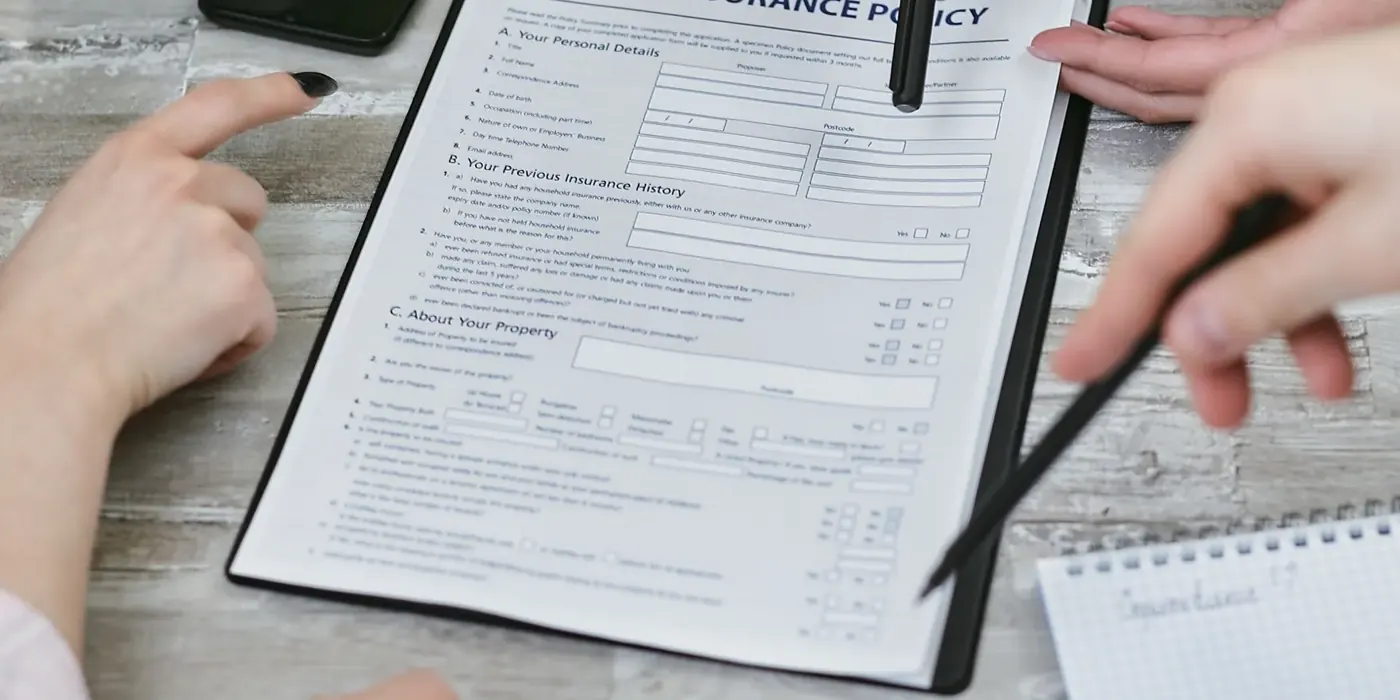
Keep approved claim amounts, paid instalments and expected recoveries distinct. Follow a settlement example and see which balances an insurer still needs to review.
Go a little deeper
Explore the platform, understand the workflows,
and find your next step.
Explore Numerish products built to bring teams, information and workflows together.
Explore productsDiscover how ERP360 connects finance, operations and the work in between.
Discover ERP360Find guidance and documentation to help you get more from Numerish.
Browse documentationYour next chapter
See what a connected enterprise could look like for your business.